Why is it that my teen body and soul belong to others?

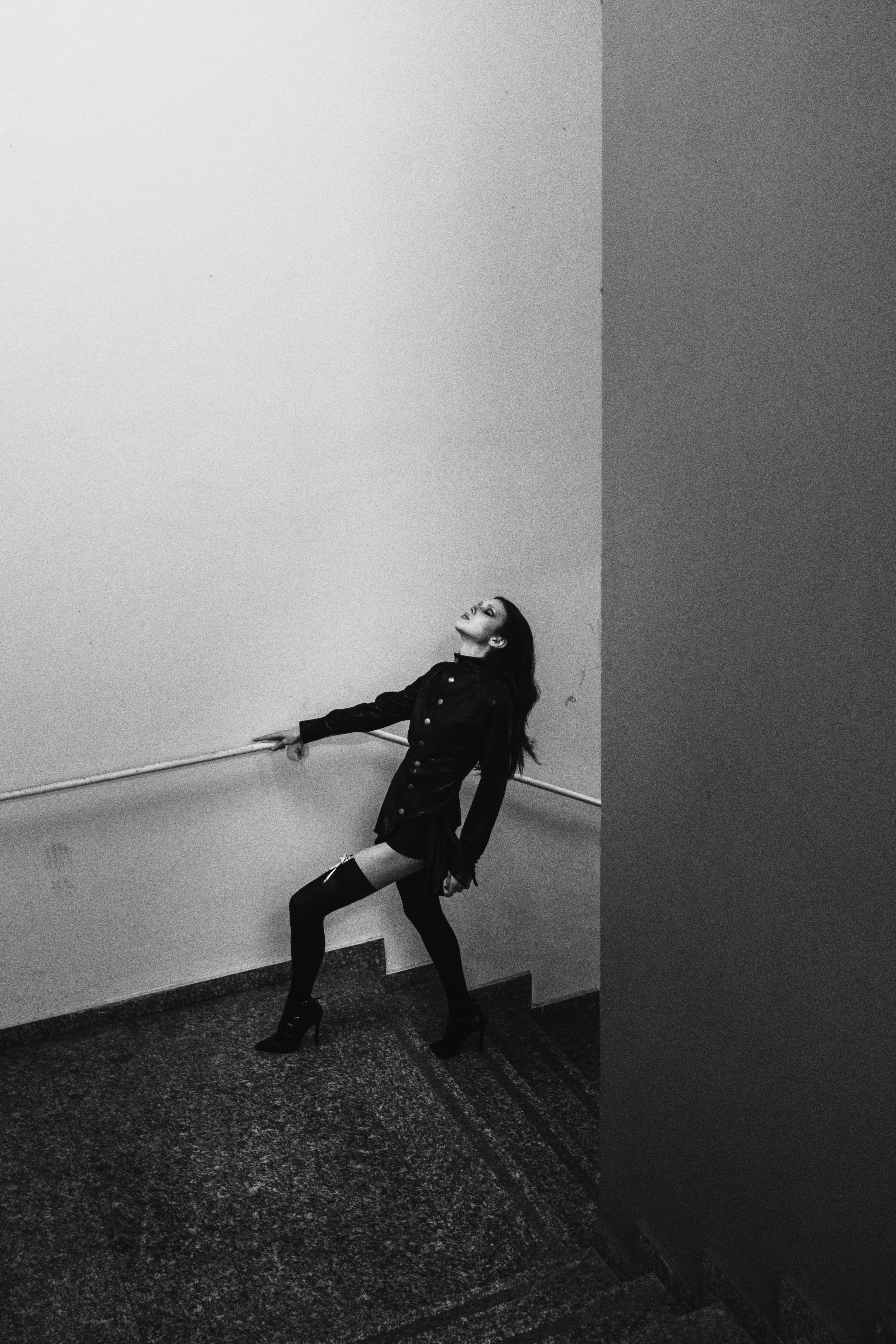
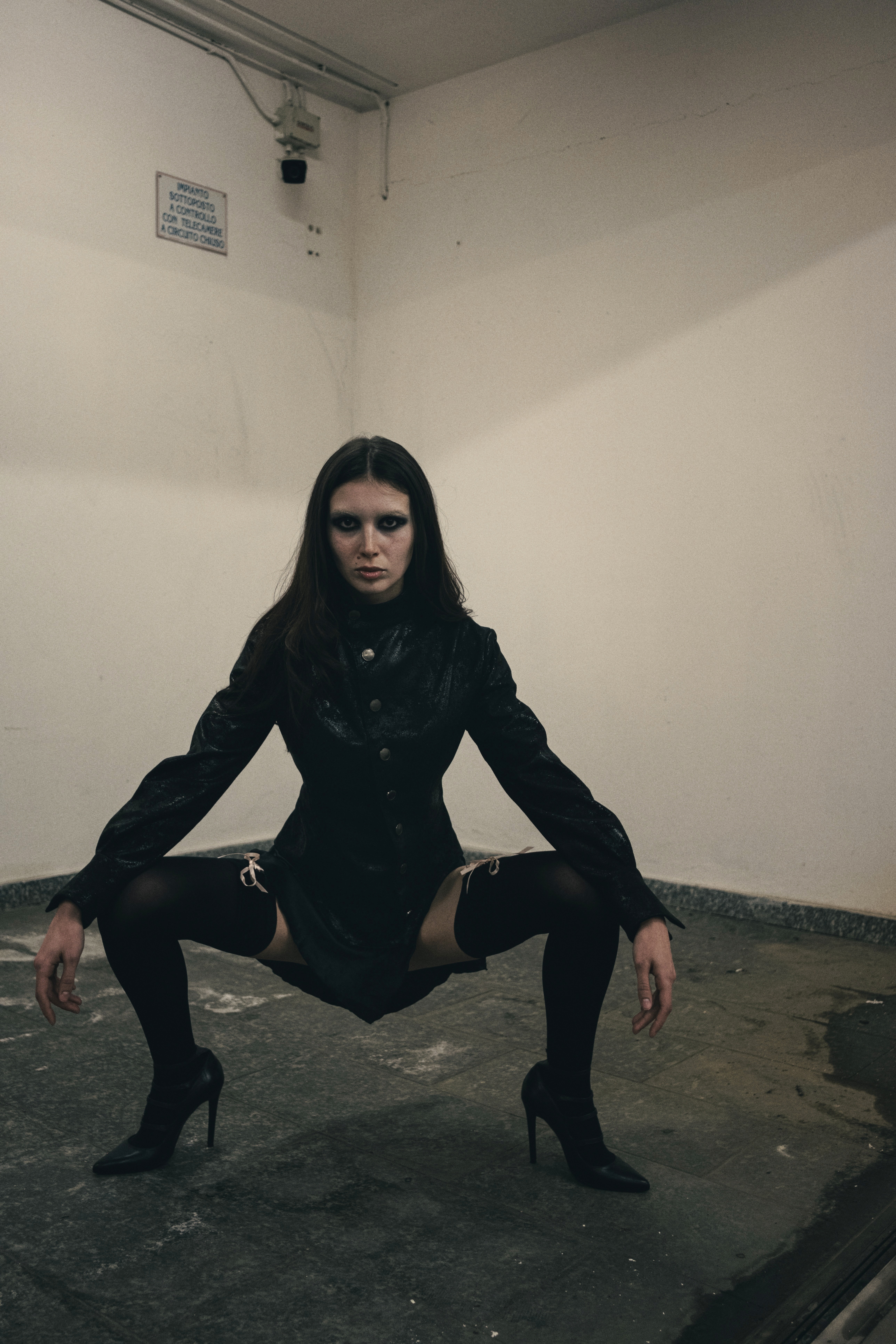
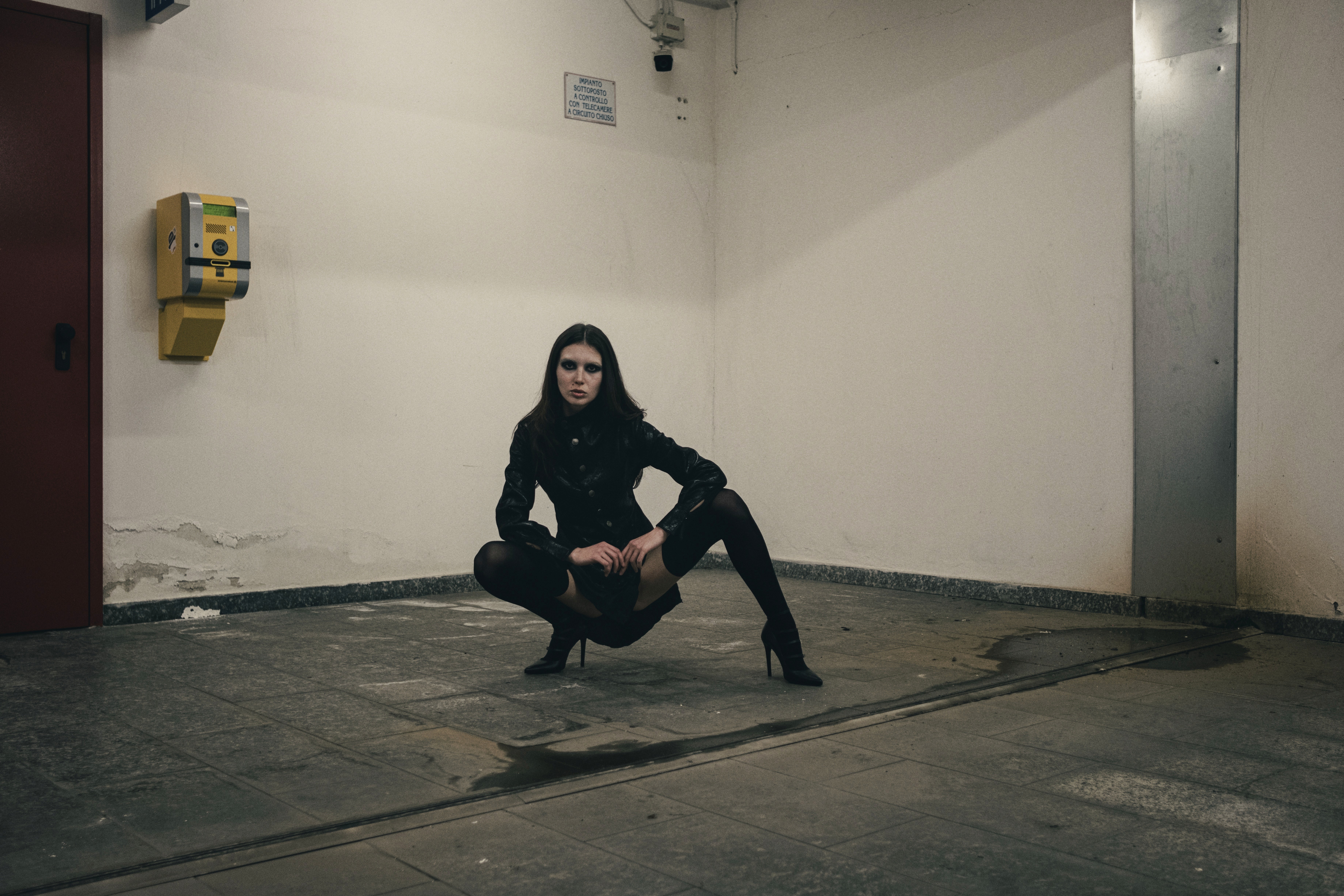
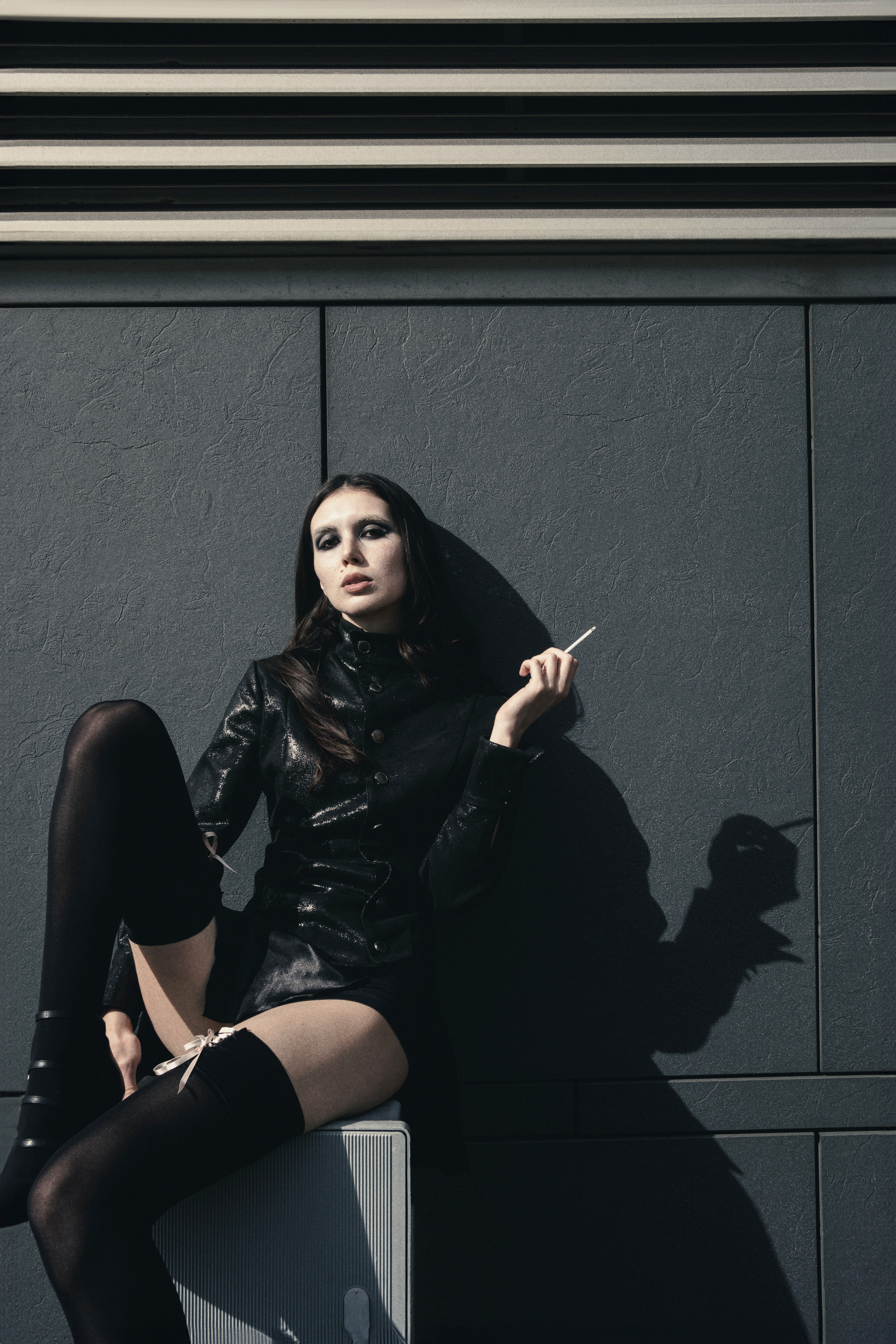
a shirt made out of manipulated velvet, embracing the body in a neck-high suffocating hug created by @spijkerbom

Why is it that my teen body and soul belong to others?

a shirt made out of manipulated velvet, embracing the body in a neck-high suffocating hug created by @spijkerbom

a shirt made out of manipulated velvet, embracing the body in a neck-high suffocating hug created by @spijkerbom

Anjela Ivanova (@spijkerbom) is a Bulgarian fashion design student at Nuova Accademia di Belle Arti (NABA). Her project “Why is it that my teen body and soul belong to others?” is a shirt made out of manipulated velvet, constructed with multiple panels. It embraces the body in a neck-high suffocating hug.

Anjela Ivanova (@spijkerbom) is a Bulgarian fashion design student at Nuova Accademia di Belle Arti (NABA). Her project “Why is it that my teen body and soul belong to others?” is a shirt made out of manipulated velvet, constructed with multiple panels. It embraces the body in a neck-high suffocating hug.

@spijkerbom: Inspired by TAEMIN’s song “Guilty”, I developed this project last year, both in admiration of an artist who shaped my early adolescent years and in response to a curiosity that didn’t come to me until recently. We’re constantly consuming various media without any curated narrative or message behind it. Perhaps because living in the age of overconsumption inevitably comes with a receding attention span, with artists worrying mostly about “an easy listening” and the mainstream-ability of their work, often making it seem like they’re saying something without actually doing so. It is extremely rare to see a case such as “Guilty” where the artist takes the creative liberty to speak their mind or address a serious issue.

@spijkerbom: Inspired by TAEMIN’s song “Guilty”, I developed this project last year, both in admiration of an artist who shaped my early adolescent years and in response to a curiosity that didn’t come to me until recently. We’re constantly consuming various media without any curated narrative or message behind it. Perhaps because living in the age of overconsumption inevitably comes with a receding attention span, with artists worrying mostly about “an easy listening” and the mainstream-ability of their work, often making it seem like they’re saying something without actually doing so. It is extremely rare to see a case such as “Guilty” where the artist takes the creative liberty to speak their mind or address a serious issue.

It takes guts to shake the status quo and protest against an exploitive system at a career point where most would simply play it safe. Taemin, after his almost 18-year-long industry ordeal, decides to bring up the heavy topic of systemic child exploitation, which in his case started as early as 12 years old, tucking it inside a “sexy player” trope. Why? My collection explores this exact journey from innocence loss to the regaining of one’s sexuality. What one can’t say with words, one shows with actions. They defy shame, embrace taboo, channel their rage through passion, all gestures of an erotic rebellion just so they can get to a stand point of self-love and self-redefinition. In the narrative, guilt becomes the sole mechanism of control, a tool used to keep the individual obedient, ashamed, and easily shaped, which is why I’m also looking into the possibility of cognitive dissonance, where the self experiences a disconnect between their actions and their values, resulting in contrasting and inexplicable behaviour.